
The answer is simple: It depends.
It depends on whether the investor is looking for annual profitability in the short term or revaluation of the asset over time if the purchase will be made in cash or if they intend to use the leverage of a bank or a private loan. In general terms, some rules apply at all times.
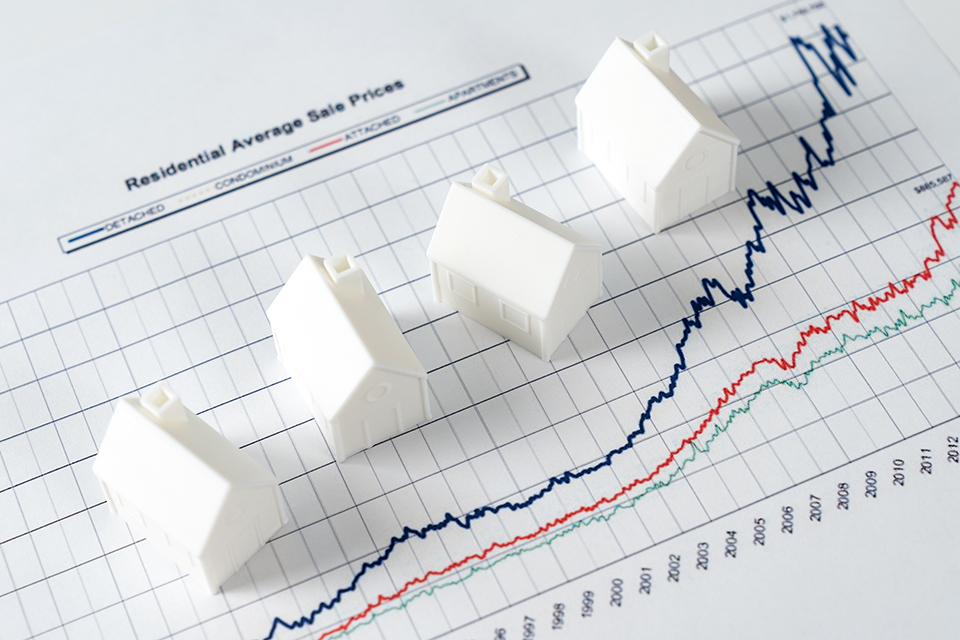
Residential property is more stable, and commercial property is more fluctuating because it is more sensitive to economic changes.
When the economy shows signs of recession, the first to suffer are commercial properties; fundamentally, those are below $500,000; because generally, these are small businesses that are rented, and in times of crisis, small businesses are the first to be affected. The lower the commercial property’s value, the more susceptible it is to changes. In its favor, profitability is usually higher than that of residential properties, and maintenance costs are significantly lower.
Residential properties tend to be more stable and suffer less in recessionary periods since people who had expensive properties, whether owned or rented at a time of crisis, can no longer maintain or live in them and are looking to rent. Or those who paid a high rent need to reduce it. So, that mobility keeps the market active and works for the entire scale of property values.
In terms of financing, obtaining a mortgage loan for residential properties is much easier. Generally, in commercial properties, access to credit is more difficult unless they are high-value properties with a high potential for land appreciation in the medium term. Private loans are usually more viable for purchasing commercial properties due to their flexibility and various conditions.
Finally, it should be noted that residential properties generally rent faster than commercial ones, commercial leases are typically much longer than residential ones and have regular pre-determined clauses of year-by-year rent increases.
In short, it depends on your investor profile.